Imagine showing an AI assistant a photograph of a complicated chart and asking it to explain the results aloud. Or uploading a video and receiving a written summary of everything that happens. These capabilities go beyond conventional text-based chatbots. They are made possible by multimodal AI, a technology that allows artificial intelligence to process and connect different types of information.
Imagine a law firm using an AI assistant to review contracts. The model can already understand legal language, but its responses are inconsistent, and it struggles to follow the firm's preferred document structure. Rather than building an entirely new AI system, developers can adapt an existing model to perform the task more effectively. This process is called fine-tuning, and it plays an important role in making artificial intelligence suitable for specialised applications.
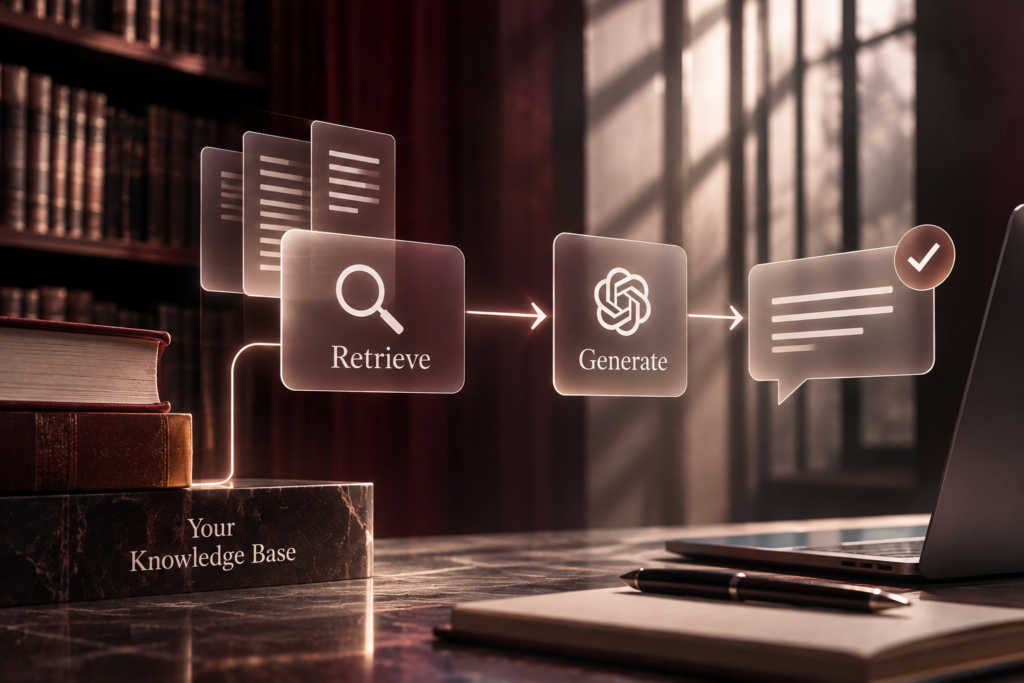
Imagine asking an AI chatbot to explain a court ruling published yesterday. Without access to recent information, the model might provide an outdated answer or invent details that sound convincing. But what if it could consult the actual judgement before responding? This is the idea behind Retrieval-Augmented Generation (RAG), a technique that connects language models to external sources of information.
Imagine asking ChatGPT to find a court decision supporting your legal argument. Within seconds, it provides a case name, a reference number and a convincing summary of the judgement. There is just one problem: the decision does not exist. This phenomenon, known as an AI hallucination, is one of the most persistent challenges facing generative artificial intelligence. But why do language models sometimes invent information, and can we prevent them from doing so?

Imagine asking an AI chatbot to organise your next holiday. It might suggest destinations, recommend hotels and create a detailed itinerary. Now imagine an AI system that could also search for flights, compare prices, check your calendar and make reservations on your behalf. The difference illustrates one of the most important developments in artificial intelligence: the emergence of AI agents.
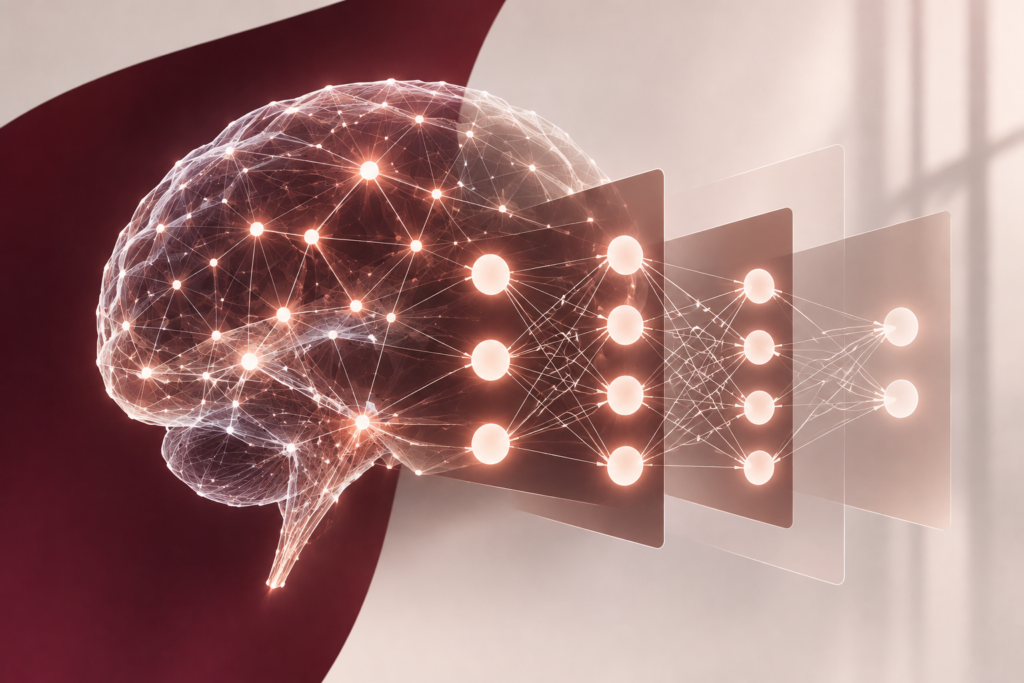
How does artificial intelligence recognise a face, understand spoken language or identify objects in photographs? Behind many of these capabilities lies a technology inspired by the human brain: artificial neural networks. They form the foundation of modern deep learning and power everything from image recognition systems to Large Language Models. But how do these networks actually process information, and what does it mean for them to learn?
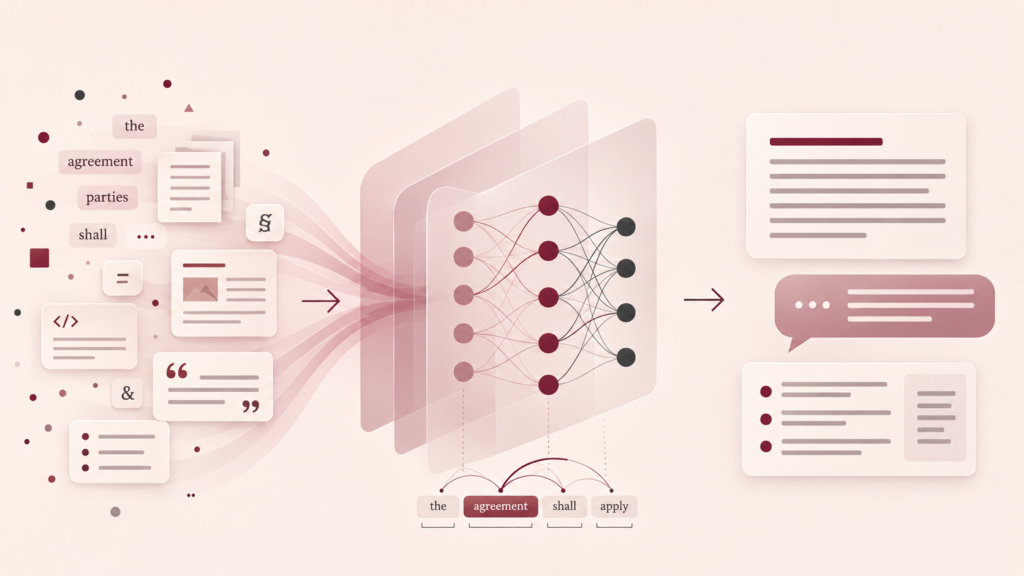
Ask ChatGPT to explain a legal concept, translate a document or draft an email, and it will produce an answer within seconds. The response often sounds remarkably human, sometimes even convincing enough to make us forget that we are interacting with software. Behind this technology are Large Language Models, or LLMs. But how can a computer generate such sophisticated language, and does it actually understand what it is saying?
How does an email programme recognise spam it has never seen before? How does Netflix predict what you might want to watch next? Behind many of these everyday technologies lies machine learning, one of the most important branches of artificial intelligence. But what does it actually mean for a machine to learn, and how does that process work?
Artificial intelligence is everywhere. It recommends what we watch, helps doctors analyse medical images and can draft entire documents in seconds. Yet despite its growing presence in everyday life, the concept itself remains surprisingly difficult to define. What exactly makes a computer system intelligent, and how does it differ from the software we have used for decades?
Start here
New to AI & Law?
Read these first.
Three essays that lay the groundwork – the technology, the regulation and the data behind it.
01
02
03